Located in the district of the Portuguese capital, Lourinhã is a town well worth the detour. Not only because it is easily reachable by public transport from Lisbon (train or bus), but because it holds treasures of beauty that will delight every traveller (couples, families, friends). Come with us and discover Lourinhã!
- History and geography of Lourinhã
- Getting to Lourinhã from Lisbon
- The 7 wonders of Lourinhã
1 – History and geography of Lourinhã
As mentioned above, Lourinhã sits at the very north of the Lisbon district. Close to better-known towns such as Peniche, Torres Vedras or Óbidos, Lourinhã is the perfect combination of land and sea beauty — without the tourists. The most likely origin of the name “Lourinhã” is the Latin “Laurius”, meaning “laurel”, a species found in large quantities in the region.
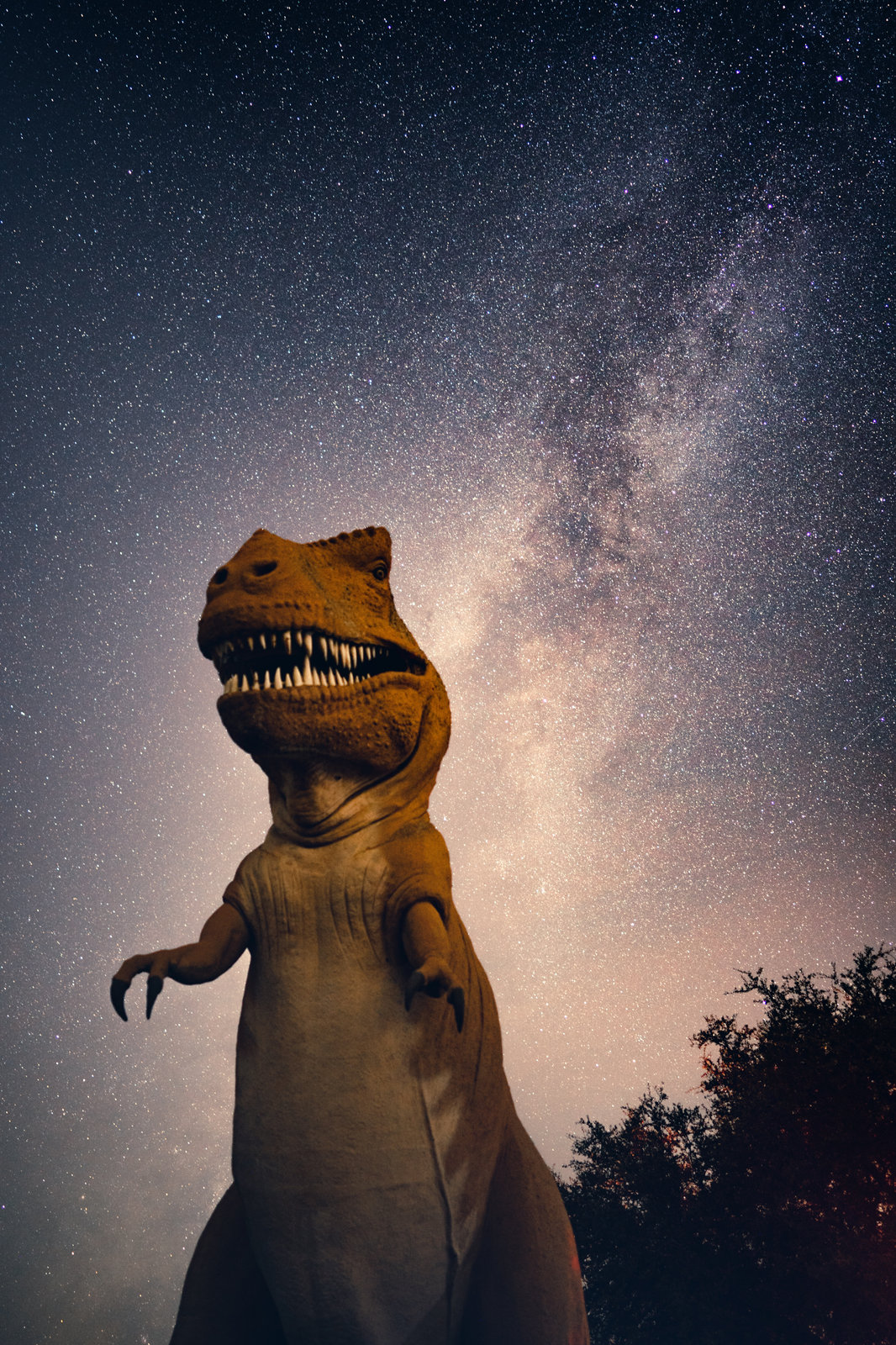
Inhabited by humans since prehistory, it was home, in the Mesozoic era, to many dinosaur species, which left traces still visible today. The Baryonyx, for example, walked these Portuguese lands more than 100,000,000 years ago!
2 – Getting to Lourinhã from Lisbon
You can reach Lourinhã by train from Lisbon (with a stop in Torres Vedras to take a bus), by direct bus from Lisbon, or by car. You will find here all the transport advice provided by the municipality of Lourinhã.
3 – The 7 wonders of Lourinhã
One of the town’s major attractions: the theme park dedicated to dinosaurs. They populated the area and left an incredibly high number of traces. The park is also known for its palaeoart, notably by Victor Carvalho, who received a prestigious award — the Lanzendorf–National Geographic prize — for his meticulous reconstruction work. Palaeoart is one of the facets you can admire in this superb park, alongside the wealth of dinosaur information beautifully displayed in the museum.
Listed as a national monument since 1910, the Igreja Santa Maria do Castelo is said to have been originally built in the 12th century by Dom Jordan de Lorient, a French crusader who helped the Portuguese reconquest over the Moors. He owned the lands of Lourinhã at the time, granted by King Dom Afonso Henriques in gratitude for his military contribution. The church was rebuilt by Archbishop Dom Lourenço Vicente in the 14th century.
Its Gothic architecture and its view over the bay make it one of the must-stops of your visit to Lourinhã!
- The old town
Stroll through the old streets, then head to the seafront, where many restaurants with a view await you!
- The fort of Nossa Senhora dos Anjos de Paimogo
With its “deslumbrante” (breathtaking) view, the Forte de Nossa Senhora dos Anjos de Paimogo has been listed as a monument of public interest since 1957. It served a defensive role from its creation in 1674 until 1834, at the end of the Portuguese civil war. A testimony of the past, sadly now in ruins, it is well worth the detour.
- Praia do Paimogo
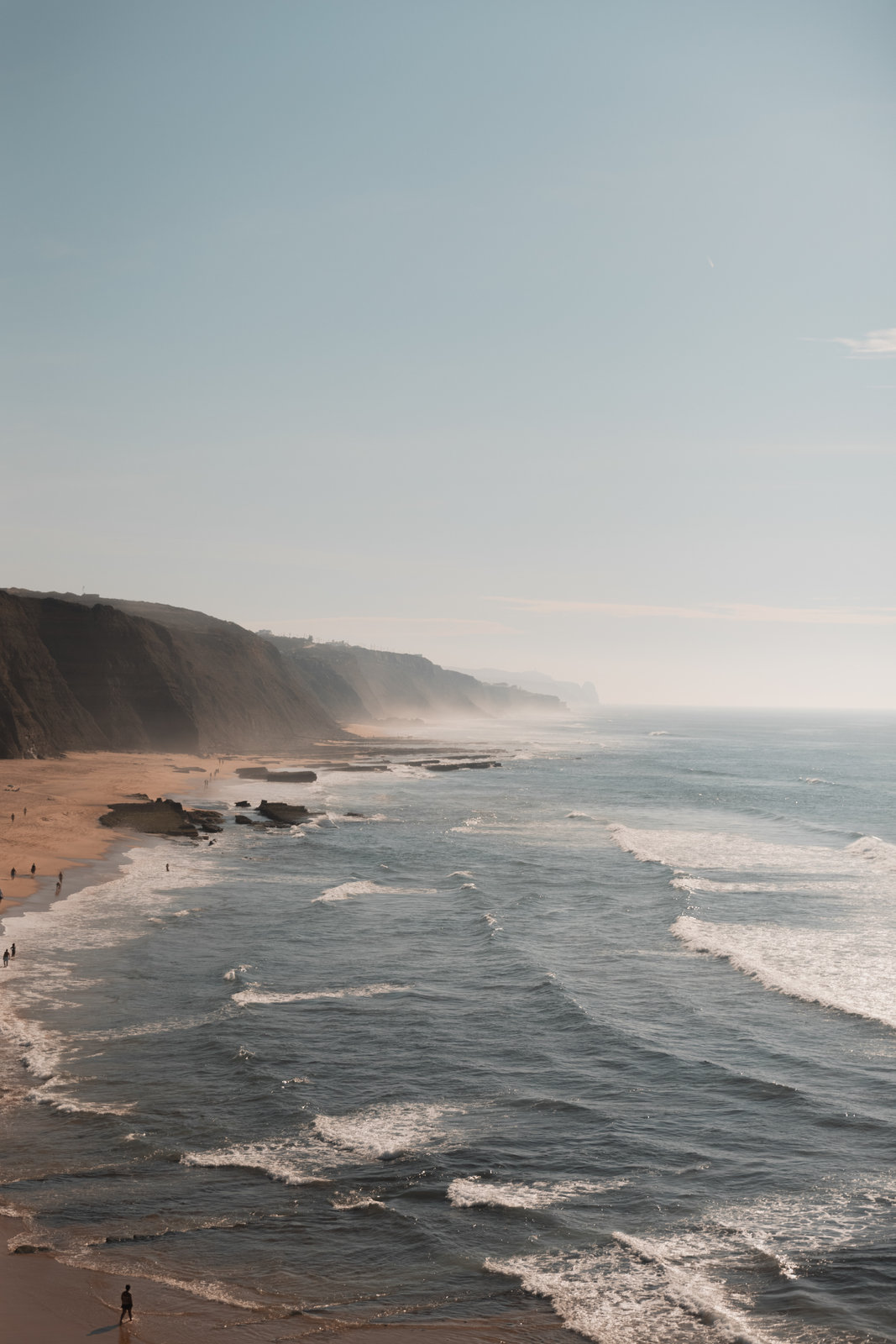
Below the fort, on the western side, lies one of the most beautiful beaches in Portugal: Praia do Paimogo. With its unmistakable cliffs and insolent beauty, it makes for a magnificent walk which, when the sea allows it, takes you to the next beach, Praia do Caniçal. Unmissable!
- Praia da Areia Branca
Another, more accessible beach will delight you: the large Praia da Areia Branca. Lazing in the sun and ice cream await you for a fabulous afternoon.
- Praia da Peralta
Another eye-catching beach, especially at sunset: Praia da Peralta. Café-restaurant, cliffs, white sand… What more do you need? 🙂